Category: Psalms

  • Where we meet God: The Places of Psalm 23

    Where we meet God: The Places of Psalm 23

    At a recent retreat, we were asked a simple question: What is your favorite place, and why?

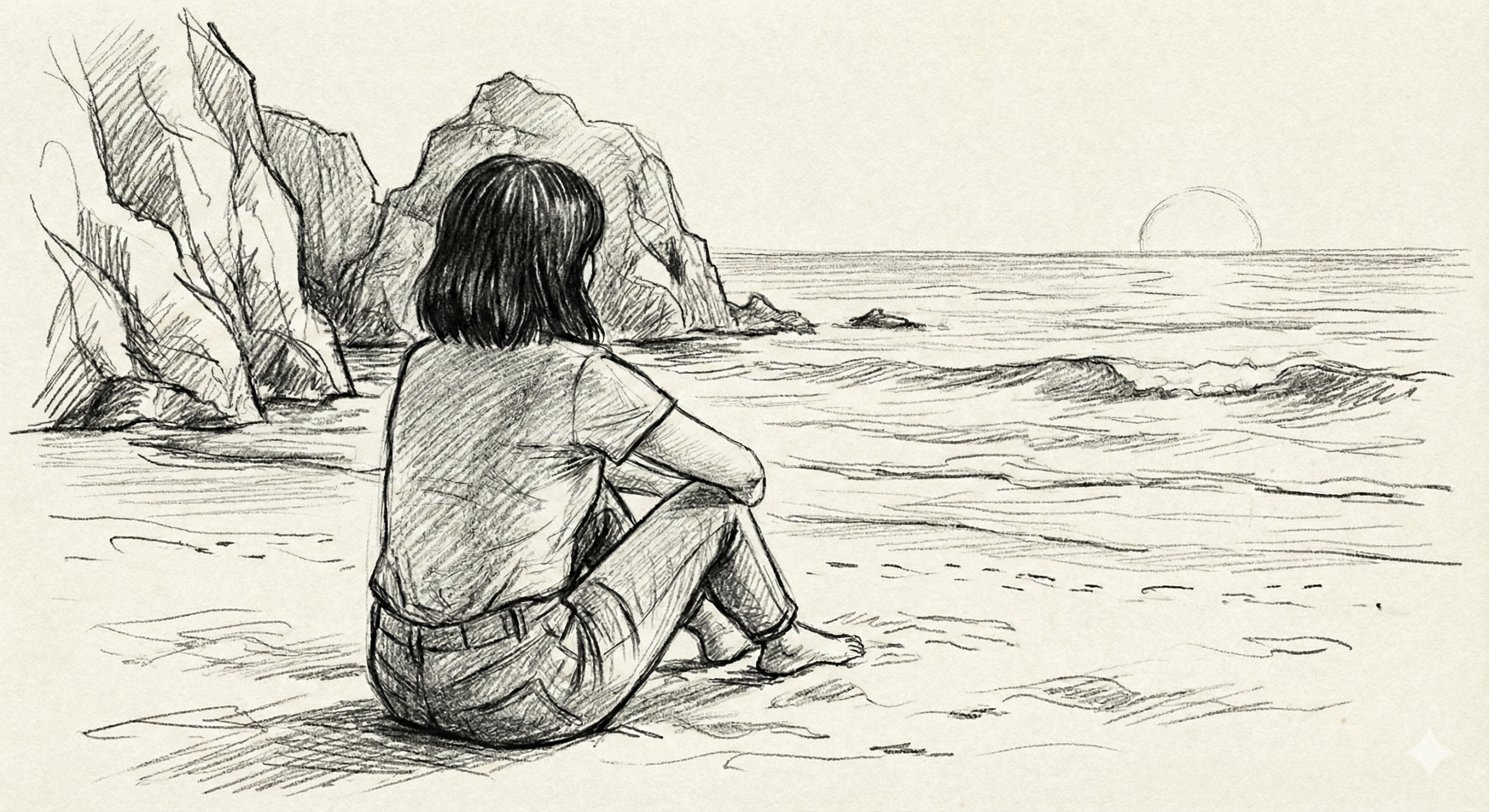
    I thought immediately of the beach of the Mediterranean. I can sit there for hours, watching the waves roll in and retreat, roll in and retreat. The rhythm is hypnotic, cleansing. The waves gently wash over the shore, and somehow they wash my cares and worries away too. They clear my mind. They cleanse my soul.
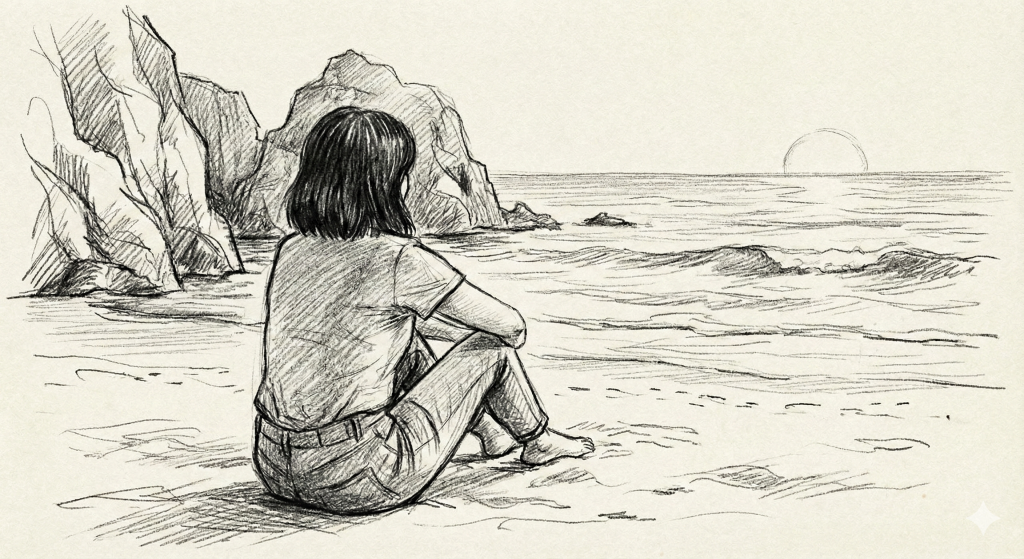
    It made me realize: time with my Shepherd does the same thing.

    This question—about favorite places—sent me back to Psalm 23 with fresh eyes. Because this psalm isn’t just about a shepherd and sheep. It’s about a journey through places, each one revealing something about God’s care and our spiritual needs.

    The Geography of the Soul

    Psalm 23 names six distinct places:

    • Green pastures
    • Quiet waters
    • Paths of righteousness
    • The valley of the shadow of death
    • A table in the presence of enemies
    • The house of the Lord

    Each location serves a purpose. Each one meets a need. Through this Psalm, we’re invited to the places where God meets our own needs.

    Green Pastures: Nourishment and Rest

    “He makes me lie down in green pastures.”

    In the desert wilderness where David shepherded, green pastures weren’t common. A shepherd had to seek them out, know where to find them, sometimes create them. These were places of abundance in the midst of scarcity.

    What is the purpose of green pastures? Nourishment, yes. But also notice: He makes me lie down there. This is also a place of rest.  And it’s not optional – he doesn’t advise me to lie down there, he makes me lie down.

    Where do you find nourishment? Not just physical food, but what feeds your soul? I tend to get so focused on productivity, on doing and serving, that I forget I need to lie down in green pastures. Do you do that too? The shepherd knows this about his sheep, and sometimes He has to make them rest, whether they want to or not. He knows what we need better than we do.

    Quiet Waters: Where Thirst Is Quenched

    “He leads me beside quiet waters.”

    Sheep are afraid of rushing water—they can’t swim, and the sound frightens them. So shepherds would sometimes build small dams to create pools of still water where sheep could drink safely.

    Think about that. The shepherd goes to extra effort to prepare the right place for his sheep. He doesn’t just point them toward any water source. He finds or creates quiet waters.

    For me, on the Mediterranean beach, the waves aren’t quiet in the sense of silence, but there’s a quietness to the rhythm, a peace.  In the same way, time with my Shepherd restores something in me that I didn’t even know was depleted. He invites me to drink deeply.  He restores my soul.

    Paths of Righteousness: The Journey Itself

    “He leads me in paths of righteousness for his name’s sake.”

    This isn’t a destination—it’s the way itself. The journey. The daily walk. God is with us on them, leading us in normal daily life and through each of the places He takes us.

    And isn’t it interesting: these paths are for his name’s sake. It’s His glory, His reputation that’s on the line. We can trust God to lead us on the right paths.

    Of course, we as sheep love to veer off the path. Isaiah 53:6 says “all we like sheep have gone astray.” Like the hymn says, I too am “prone to wander.” But here’s the comfort: He’s a good shepherd, and good shepherds lead their sheep on paths of righteousness. This Psalm also mentions that He keeps us on this path too—His rod and staff correcting us as needed, bringing us back when we wander off.

    The Valley of the Shadow of Death: The Scary Place

    “Even though I walk through the valley of the shadow of death, I will fear no evil, for you are with me.”

    Sheep are scared in shadows—they can’t see well enough to know where they’re going, and danger could be lurking anywhere. We’re the same. We can’t see the future, and we’re constantly facing dangers. Mark Twain famously said: “I’ve suffered many troubles in my life, most of which have never happened.” Even our imagined dangers feel real in the shadows.

    We all find ourselves in valleys at times. We all walk through shadows. We all face death in its various forms—loss, grief, uncertainty, danger.

    But notice: the promise isn’t that we’ll avoid the valley. It’s that He’ll be with us in it. The comfort isn’t in the absence of the valley but in the presence of the Shepherd. He’s still leading us from the previous phrase. Even if we don’t see where we’re going, we can hear His voice (John 10:27). He is with us, leading us and comforting us.

    God Himself wants to be our comfort.

    A Table in the Presence of Enemies: The Unexpected Feast

    “You prepare a table before me in the presence of my enemies.”

    This location puzzles me. Not a peaceful meadow or a safe sheepfold, but a place where enemies are present. And yet, there’s a feast. I don’t fully understand it yet, but I find comfort in this: God doesn’t wait until all opposition is removed to provide for you. He sets a table in the midst of conflict, in the face of those who wish you harm. He declares His care for you publicly, abundantly, even when circumstances suggest you should be afraid or lacking.

    The House of the Lord: Home Forever

    “I shall dwell in the house of the Lord forever.”

    All of these destinations are special because God is with us in them. He found the green pastures and made the quiet waters. He leads us on the path and stays with us always. He gives us the individual attention we need. But here at the end of the Psalm is another destination—this one isn’t part of the journey, but a forever home.

    We’re not just visiting God’s house, but dwelling there. Living there. Being at home there.

    What does it mean to dwell in the house of the Lord forever? To feel truly at home in the King’s house? To know you’re not a guest who might overstay their welcome, but a beloved child who belongs there?

    This is where the journey through all the other places leads: to being comfortable and at home in God’s house forever.

    Where God meets us

    These places in Psalm 23 aren’t just poetic images. They’re invitations to reflection. They ask us to map our own spiritual geography, to recognize when (and where) God nourishes us, how He quenches our thirst, what paths we’re walking, His presence through everything, the feasts he feeds us and how He Himself is our home.

    The Shepherd knows all these places. He prepares them, leads us to them, walks with us through them. And just as those Mediterranean waves wash over the shore again and again, cleansing and clearing, time with our Shepherd in each of these places washes over our souls, restoring us for the journey ahead.

    Where are you with your Shepherd today?  Trust Him. He knows the way, and He knows what you need.
  • The Shepherd’s Individual Care: Finding Yourself in Psalm 23

    The Shepherd’s Individual Care: Finding Yourself in Psalm 23

    I attended a women’s retreat several weeks ago, and the theme of the retreat was Psalm 23.  The retreat itself was refreshing, but especially so was the time both there and afterward spent pondering God’s word – specifically the Psalm that was the theme.

    I bet that you know the Psalm well.  I did.  And yet, the practice of really thinking about God’s word and digesting it makes it so much richer.  I’d like to share a few of my thought so far as I consider what God says through David in this Psalm.

    When I first started thinking through Psalm 23,  I naturally thought of it in collective terms. God is the shepherd of the whole flock, I reasoned. He makes the whole flock lie down in green pastures. He leads all of us beside quiet waters, guides all of us in paths of righteousness. After all, isn’t the church described as God’s flock? Doesn’t He care for all believers together?

    But then I noticed something that changed everything: the pronouns.

    Every Single Line

    Go back and read Psalm 23 slowly. Count the first-person singular references:

    The Lord is my shepherd. I shall not want.
    He makes me lie down in green pastures.
    He leads me beside quiet waters.
    He restores my soul.
    He leads me in paths of righteousness for his name’s sake.
    Even though I walk through the valley of the shadow of death,
    I will fear no evil, for you are with me;
    your rod and your staff, they comfort me.
    You prepare a table before me in the presence of my enemies;
    you anoint my head with oil;
    my cup overflows.
    Surely goodness and mercy shall follow me all the days of my life,
    and I shall dwell in the house of the Lord forever.

    Every single line. There’s not one verse that speaks in collective terms. David isn’t writing about God’s care for Israel as a nation, or even about His care for all believers through time. David is writing about God’s personal care for him.

    And it applies to me. To you. Individually.

    The Moment It Clicked

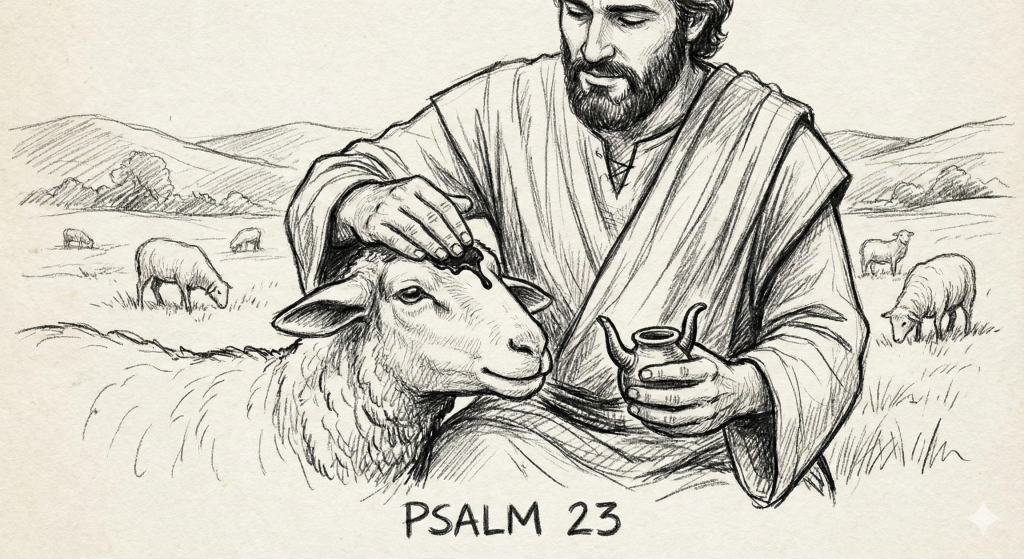
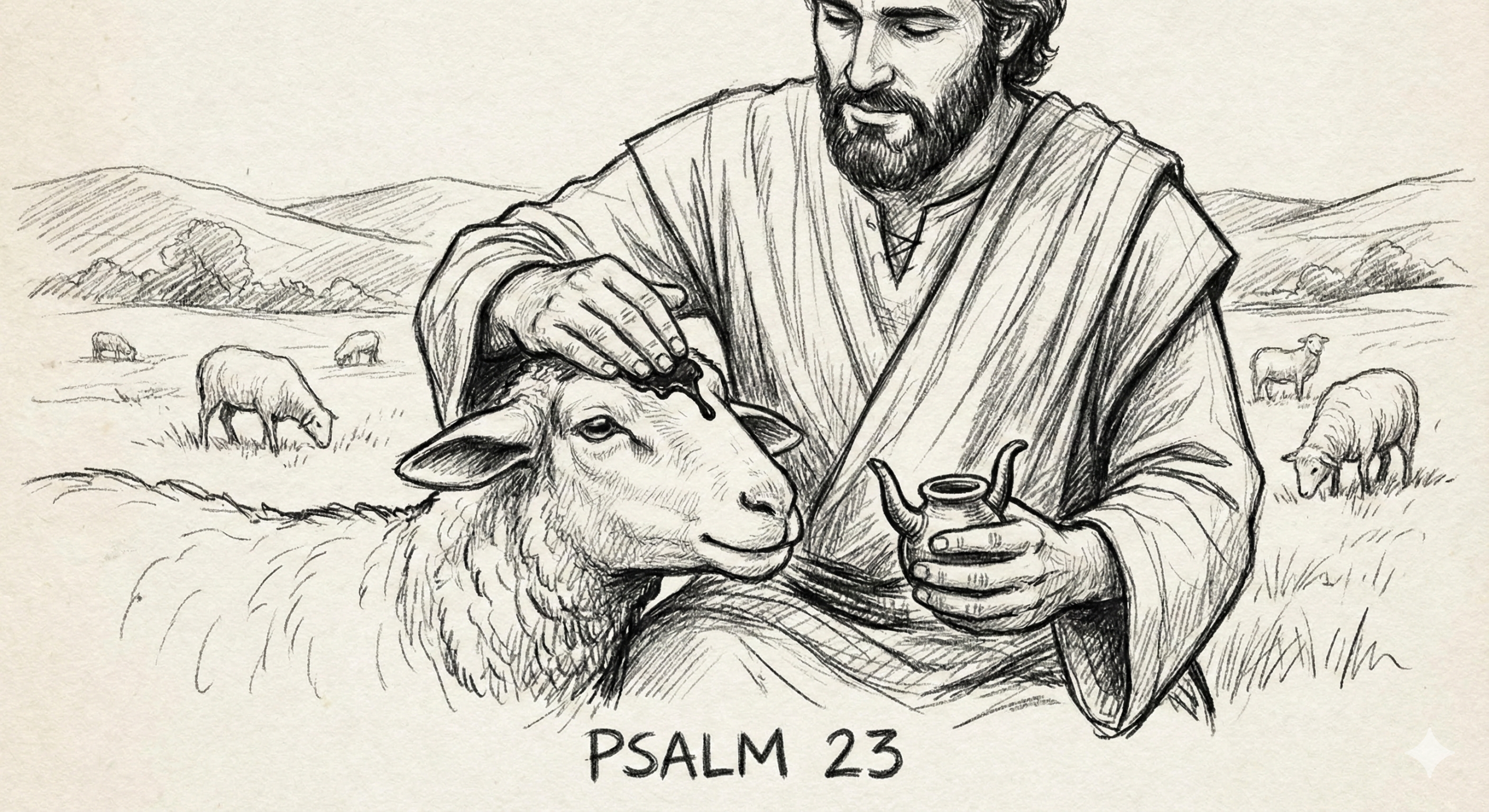
    The line that made this understanding crystallize for me was: “You anoint my head with oil.”

    This has to be a one-on-one activity. Picture it: A shepherd doesn’t hold all the sheep together and sprinkle oil over them from a distance. He takes each sheep individually, spends time with that particular animal, and carefully rubs oil into its head. Ancient shepherds did this to protect sheep from nasal flies, to heal skin irritations and infections, and to comfort them.

    This is intimate. This is personal. This requires the shepherd to notice what’s bothering this specific sheep and attend to it individually.

    That’s when it clicked: Jesus does this for me. Not just for us, en masse, as the church. He spends time with me as an individual. He takes the time to know my hurts, to know my worries, to notice what’s bothering me. He treats my specific wounds. He deals with my particular anxieties and comforts me as the unique person I am.

    This anointing—this one-on-one time with Jesus—is what results in the overflowing cup. When I experience God’s individual attention, when I know and feel that I matter to Him, that He would take time to personally notice and care for me, my cup overflows.

    What This Means

    God has this same level of individual care for you. Not just for humanity in general. Not just for your church or your small group. For you, specifically.

    Because He is your shepherd, He knows what you need.  He goes to the extra effort to find and prepare the right places for you to be nourished—like a shepherd building a dam for calm waters in the wilderness, or finding the green grassy places in the desert.  He helps you rest there – even if you don’t want rest.

    He restores your soul. He knows how to lead you a guide you on the right paths.. He is with you when you’re in scary situations—and when you’re not. He comforts you by helping you understand boundaries and stay away from dangers.

    He prepares a table for you, a feast, even in front of your enemies. He anoints your head with oil—He protects you, He soothes you, He gives you the Holy Spirit (which is sometimes referred to as oil) who comforts you. This oil keeps you from going crazy. This oil is His individual care of you.

    Because of Jesus, you have a future filled with goodness and mercy. You are always welcome in God’s home because of Jesus.  You’ll spend Eternity with Him.

    The Personal Psalm

    I relish God’s divine attention. I want to know and feel that I matter to Him. And the beautiful truth of Psalm 23 is that this isn’t wishful thinking or presumption. It’s exactly what David is declaring, and it’s exactly what Jesus demonstrates.

    This psalm is actually all about you. Not in a self-centered way, but in a deeply loved way. God’s care isn’t diluted by being shared among billions. His attention to you isn’t divided. You matter to Him as an individual, and He takes the time to care for you as such.

    That’s the kind of shepherd we have.

  • Why Praise God?

    Why Praise God?

    Pondering Psalm 65

    Praise is due to you, O God, in Zion;

    Why is praise due to God? What has He done to deserve praise?

    O you who hear prayer,

    Aha. The first reason that praise is due to God. He hears prayer. How cool is it that God listens to us? That He wants to hear from us? That He knows us and still bothers to listen to us. He pays attention to what we tell Him. Isn’t having someone pay attention to us kind of a basic human longing? God pays attention to us. He hears our prayer.

    to you shall all flesh come

    This could be a second reason to praise God – because He allows all people to come to Him. Or it could be that because He hears prayer, all people come to Him. Which do you think?

    you atone for our transgressions

    There’s so much in the Old Testament that looks forward to Christ. The sacrifices at the temple atoned for sins temporarily and looked forward to the day when Jesus would permanently atone for the sins of all humanity. But even in this time of temporary atonement and daily sacrifices, God deserves praise because He offers atonement for our sins.

    Blessed is the one you choose and bring near, to dwell in your courts!

    How does it feel to be chosen as one who can serve (and represent) God? How did the ancient Jews feel to be God’s chosen people, and the object of God’s distinct attention? Even with their chosen status, those living in ancient Israel didn’t have the access to God that we take for granted today. Not only are we chosen to serve God with our good works (Ephesians 2:10, right?), but we also have the amazing privilege of being near to God – and dwelling or living happily there! Remember the Psalm that says “Better is one day in your courts than thousands elsewhere”? (Psalm 84:10) – it’s all about how David longs to be in God’s presence, to be near to God. We have access to that nearness to God. Jesus bought it with his blood – his atonement. Now, if we’re out of fellowship with God, we can confess our sins and He cleanses us from all unrighteousness (not just the sins we knew to confess!). Because of this we can walk in fellowship and nearness to God. This is definitely a reason to praise God.

    We shall be satisfied with the goodness of your house, the holiness of your temple!

    I think we’re continuing the theme of being near to God – His courts, His house, His temple. This house has goodness, and his temple has holiness. Because of the goodness of His house, we are satisfied. Is this a reference to God providing all our needs out of his vast stores of owning everything? I am satisfied with the goodness of God’s house. When I remember this satisfaction, the attractions of the world fade.

    By awesome deeds..

    God lets us see His awesome deeds. He didn’t have to do that – he could keep us oblivious. But He lets us see some of them, and when we’re looking for them, He lets us notice more. What good gifts from God. We can praise Him for his amazing deeds.

    You answer us with righteousness

    We’re back to God hearing our prayer – and more that hearing, paying attention and taking the time to answer us. And not just answer us, but to answer us with righteousness. God always has the right answer. He sees through all of time, and through all of us, so He has the wisdom and all the information to have the right answer.

    God of our salvation

    I’m not sure what God is saving from here. But God is in the saving business – He’s a pro. What a great reason to praise and thank Him! What has he saved you and me from today?

    the hope of all the ends of the earth and of the farthest seas

    God’s answering us does give us hope. God gives us hope. A God that brings hope to our world – He deserves praise. Hoping in God isn’t limited by location or geography. Even more praise!

    who by His strength established the mountains

    He created the mountains (and everything else). Praise Him for being The creator!

    being girded with might

    You know the old chorus “What a mighty God we serve!”? That’s another reason to praise Him.

    Who stills the roaring of the seas, the roaring of their waves, the tumult of the peoples

    Which is harder for God to make peaceful, the stormy seas or tumultuous people? God is a God that brings peace to both. “Be Still and know that I am God”. He gives us the ability to calm down and be still. And He shows Himself to be God. It gives me peace to know that God is the one in control. I don’t have to figure out this life, or everything that’s going on. I can rest in His arms and know that He’s got this. That calms the tumult in me. I praise Him for that.

    so that those who dwell at the ends of the earth are in awe at your signs.

    This seems to be to be a repeat of the ideas that He does awesome things, and that He’s not limited by geography. It doesn’t matter where I am, I can see signs of God.

    You make the going out of the morning and the evening to shout for joy

    The HCSB says “You make the east and west shout for joy”. I think it’s another reference to not being limited by geography, but it could be that creation everywhere shouts for joy. Creation inspires us to praise God. Creation itself praises God.

    You visit the earth and water it; You greatly enrich it; the river of God is full of water, You provide grain, for so you have prepared it. You water its furrows abundantly, settling its ridges, softening it with showers, and blessing its growth.

    God provides for the whole earth. He visits it, and waters it. I picture God with His watering can, encouraging spring to come along, and the sprouts of green to grow in the gentle, enriching rain. The rain soaks and softens the soil, making it better for growing. God is feeding the earth, and feeding the people of the earth.

    You crown the year with your bounty; your wagon tracks overflow with abundance. The pastures of the wilderness overflow, the hills gird themselves with joy, the meadows clothe themselves with flocks, the valleys deck themselves with grain, they shout and sing together for joy

    What are the ways that God shows up in nature? He created the mountains, He calms the roaring waves, He waters and enriches the earth, He crowns the year with bounty… and the wagon tracks, the pastures, the hills, the meadows and the valleys.

    Look at all the abundance here:

    • You visit the earth and enrich it
    • The river of God is full of water
    • You water its furrows abundantly
    • the year is crowned with bounty
    • the wagon tracks overflow
    • the pastures in the wilderness overflow
    • the hills gird themselves with joy
    • the meadows clothe themselves with flocks
    • the valleys deck themselves with grain

    Isn’t it interesting that the hills, the meadows and the valleys are all getting dressed? (and with joy, flocks and grain, respectively)

    Does this abundance theme goes all the way back to the beginning of the Psalm?

    • He hears prayer. This isn’t limited – that’s part of what makes it so amazing. His attention isn’t limited.
    • All come to Him. This Psalm doesn’t use the word Grace, but that’s what comes to mind here. God’s grace isn’t limited to a few. It’s for all.
    • He atones for our transgressions. Again, this is unlimited. All of our sins are paid for by Jesus. The atonement of this Psalm foreshadows this.
    • We are satisfied with the goodness of His house. Because it’s a house of abundance.
    • He has awesome deeds.
    • He answers us with righteousness because his wisdom isn’t limited. Because His righteousness isn’t limited. Because HE isn’t limited.
    • He’s the hope of all the earth. Not just part of it.

    they shout and sing for joy

    The earth is filled with abundance and shouting and singing for joy. Just a few verses before here, the evening and morning, or the east and west are shouting for joy too. God’s abundance isn’t limited by geography. God’s abundance isn’t limited at all! Creation itself is praising God and shouting for joy.

    This Psalm feels like spring to me. In the spring, the world overflows with the hope and abundance of God. In my yard, the daffodils are blooming and the asparagus is sprouting (and ready to harvest a few sprouts!). I can see the richness of God in the spring rains, and see nature getting dressed with beauty, praising God. I want to join them and praise God. And I have every reason to! In the HCSB, this Psalm begins with “Praise is rightfully yours, God”, and the NKJV says “Praise is awaiting You, O God”. Praise is awaiting God from the whole earth, because it’s rightfully His.

    This spring, I can join all creation in shouting for joy in praise of God.